Before we discuss acne scarring, it’s important to understand the different types. There are two: pigment scarring and texture scarring. Pigment scarring involves changes in skin colour after an acne breakout and has two subtypes: post-inflammatory erythema (red spots) and post-inflammatory hyperpigmentation (dark spots). Regardless of subtype, both require the same treatment.
Texture scarring, on the other hand, is considered “true” scarring and occurs with severe, deep inflammatory cystic acne. These scars are difficult to treat and may require medical and cosmetic procedures.
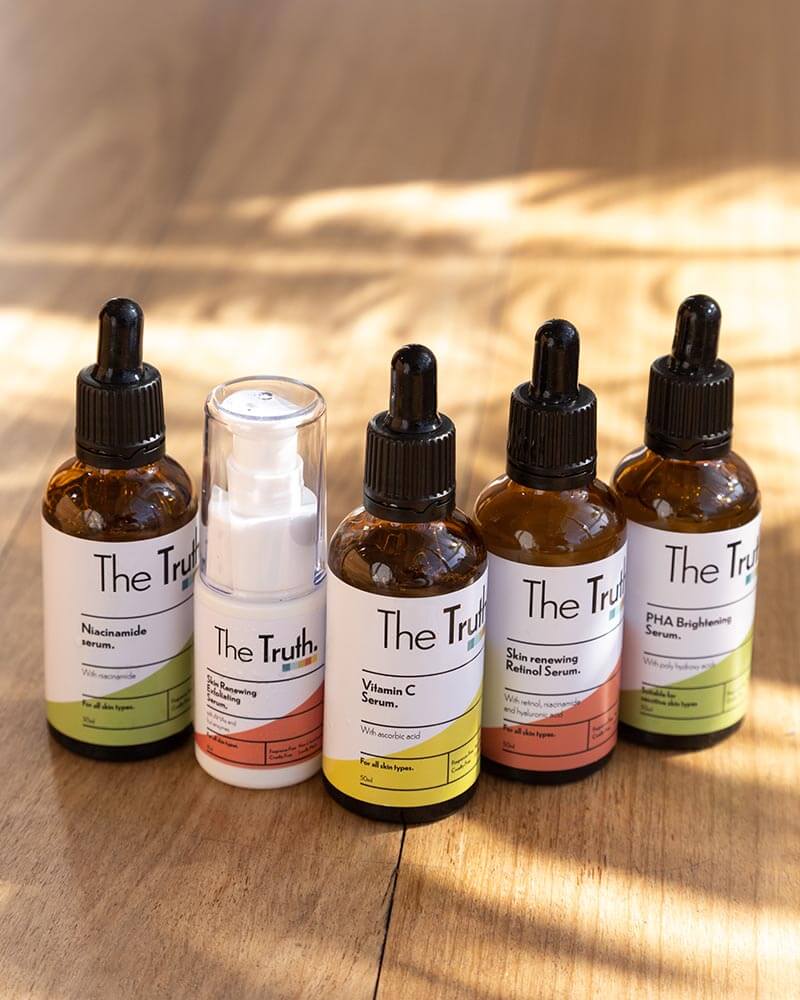
To address pigment scarring, the best approach is to increase skin cell turnover using ingredients like retinol, chemical exfoliants like a beta hydroxy acid (BHA), alpha hydroxy acids (AHAs), and poly hydroxy acids (PHAs), and ingredients that decrease pigment production like retinol, vitamin C, niacinamide, azelaic acid, and kojic acid. It’s important also to use sunscreen to prevent sun damage and sunburn, which can worsen hyperpigmentation.
While pigment scarring can resolve on its own over time, it can take 3-6 months or up to a year, depending on the type of acne and how much it was picked at. It’s best to avoid picking at pimples to prevent worsening acne scarring/hyperpigmentation.
In summary, understanding the type of acne scarring is important in determining the best treatment approach. Pigment scarring can be addressed with active ingredients to increase skin cell turnover and decrease pigment production, while texture scarring requires medical and cosmetic procedures.
